
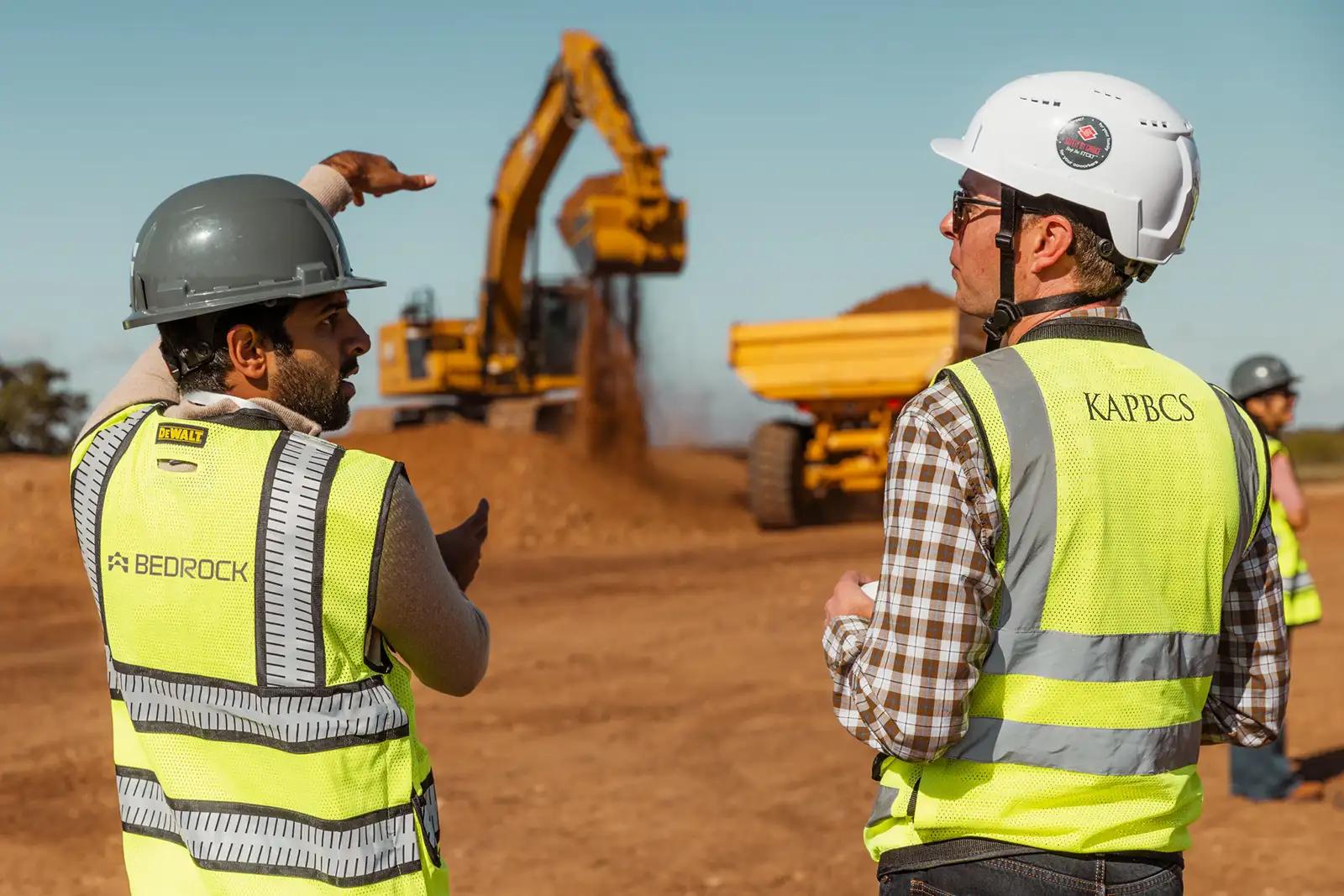
We Shouldn't Have to Choose What Gets Built
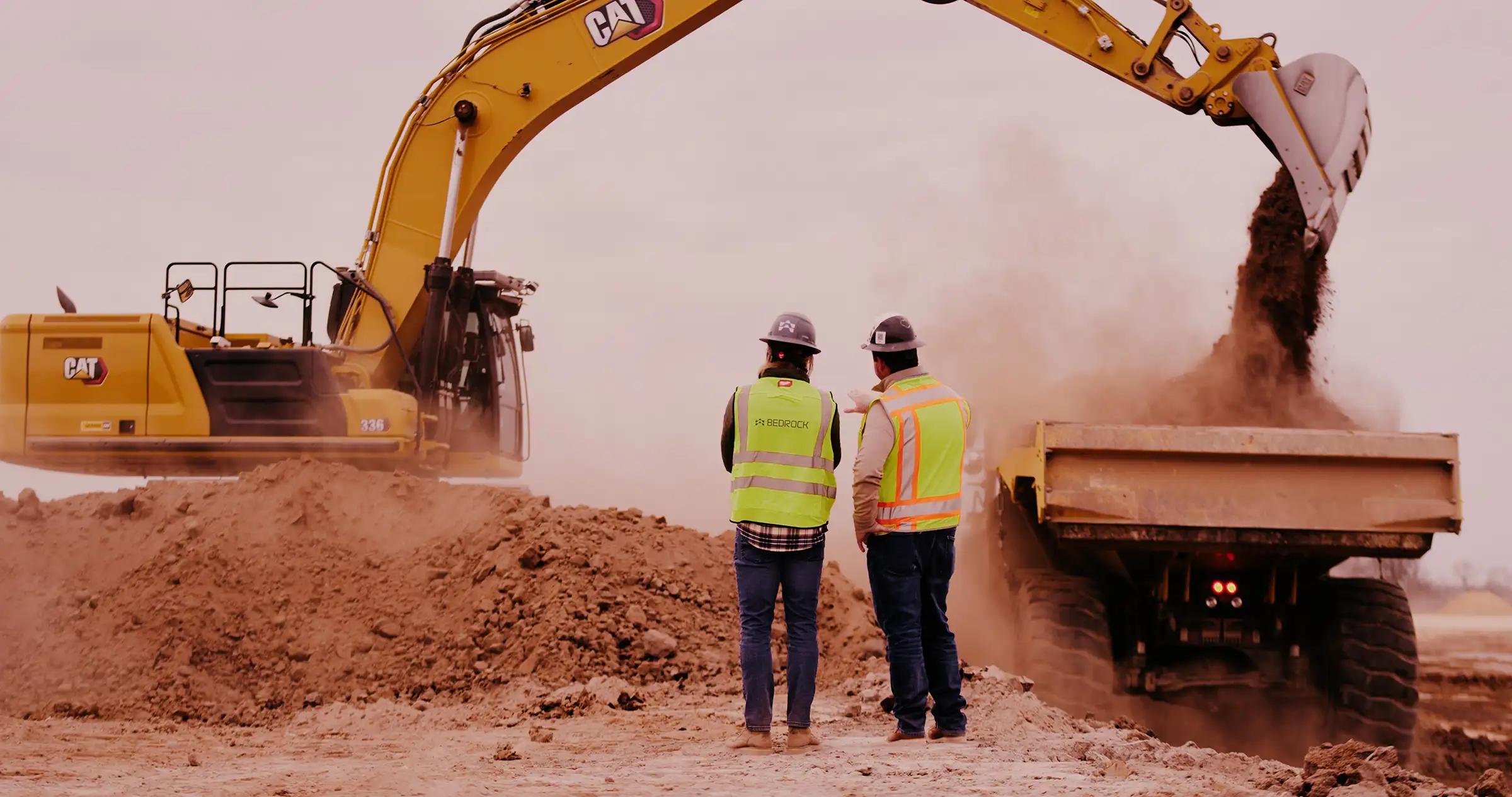
There's a case to be made that we're entering the largest build-out of infrastructure in history. Not because of any single project or policy, but because of a cumulative $106 trillion wave of investment over the next 15 years that touches nearly everything. Data centers to power AI, energy systems to navigate the transition ahead, and the long-overdue modernization of roads, bridges, and electrical grids that have quietly aged past their expected lifespans. For the first time in a generation, the capital is actually there.
But the demand to build is exceeding our capacity to meet it. America needs to reshore advanced manufacturing, and it needs data centers to stay competitive in AI. But it also needs housing for families priced out of the market, schools for kids learning in overcrowded classrooms, and infrastructure that serves the rhythms of everyday life. The movement to reindustrialize our country shouldn't drive tradeoffs between the greatest technical revolution of our lifetimes and our families, schools, and neighborhoods.
Right now, in ways both visible and subtle, it already does. Not because anyone wants it that way, but because the people who do this work are in short supply, and when labor is scarce, costs climb and someone has to wait—or go without.
A problem of capacity, not priorities
Construction is short more than 800,000 workers over the next two years, and project backlogs currently stretch past eight months. Data center work commands premium wages, pulling from the same finite pool of electricians, equipment operators, and skilled tradespeople who would otherwise be expanding highways or building housing.
The problem isn't that certain projects are winning and others are losing—the problem is that everyone is struggling to staff what they need to build, and when they do, they’re burdening the extra costs. Contractors we spend time with across the country are passing on good work because they’re simply too short-staffed to take it all on. Housing developments that should wrap in months are stretching into years. Civil infrastructure lingers in backlog while communities wait for improvements they were promised. And some projects that don’t pencil out due to the rising costs of labor and materials will never get off the ground at all.
This is a capacity problem, not a priorities problem. A semiconductor fabrication plant and an elementary school shouldn't be competing for the same excavator operator. A family shouldn't have to wait longer for a home because their local contractor just broke ground on a million-square-foot fulfillment center across town. And yet, under current constraints, that's exactly what happens.
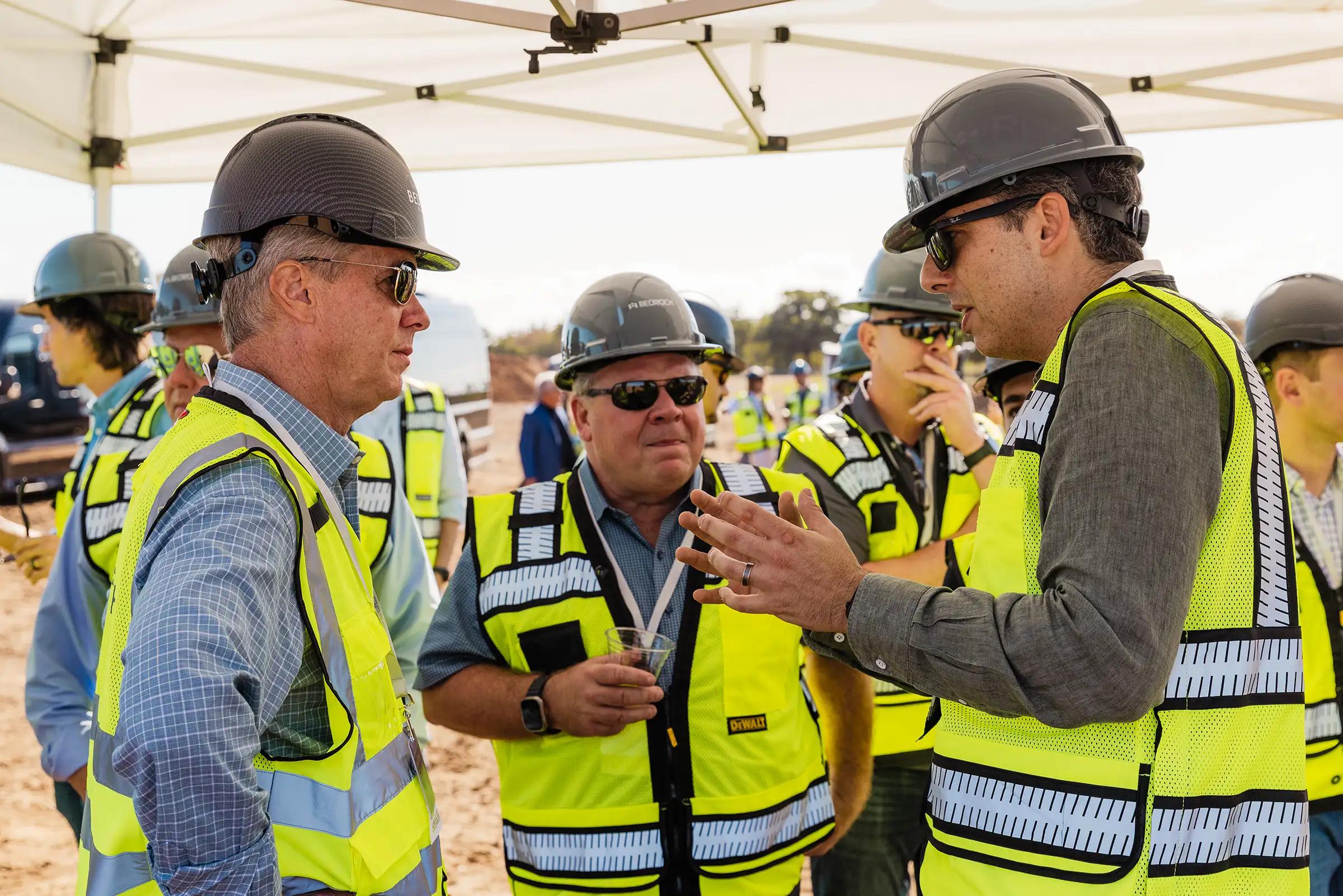
What the industry showed us
From our earliest conversations, contractors have welcomed us with a warmth and openness that showed recognition of these challenges and an optimism to the role technology could play in relieving them. Equipment managers, site superintendents, and project directors aren’t clinging to the old ways—they're hungry for solutions. And they’re ready to put this technology to work today, even before we’ve achieved a product ready for commercial scale.
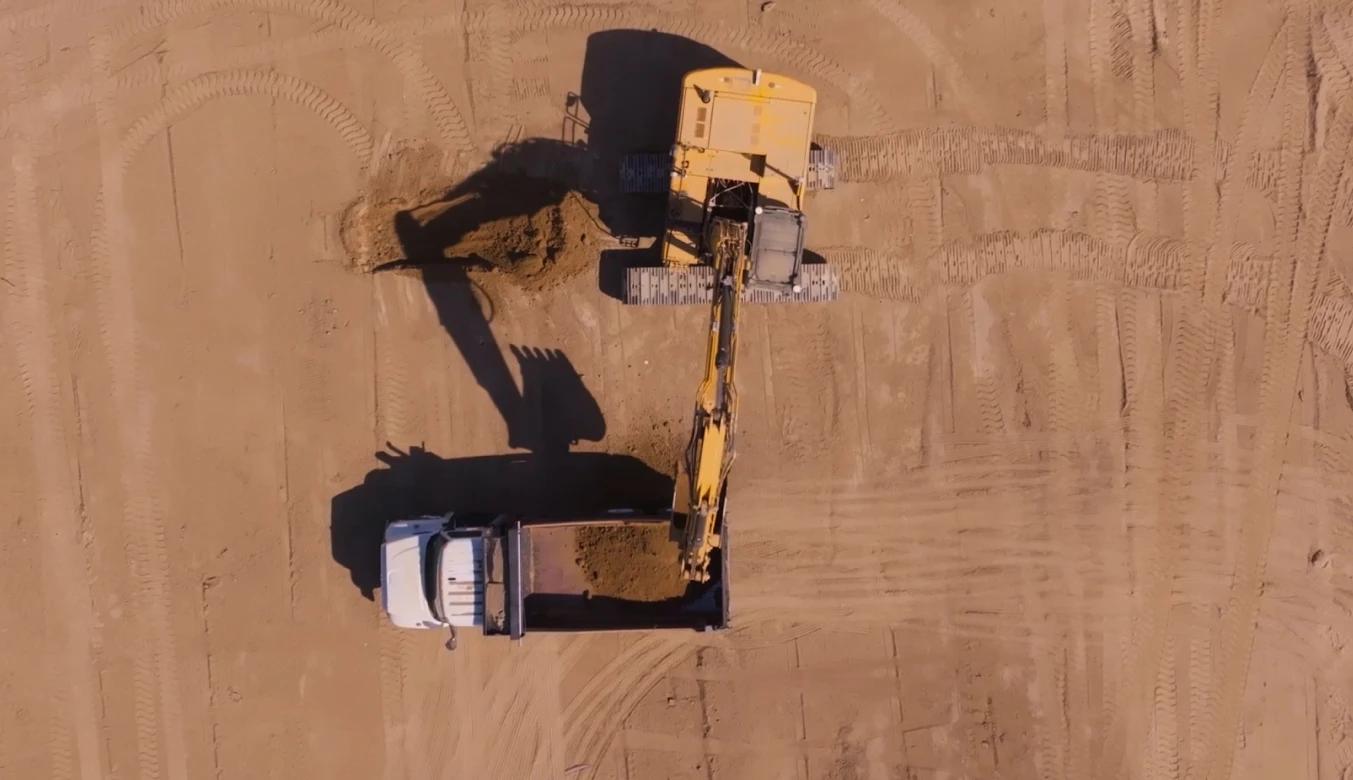
Our team has spent much of the past year on active job sites, and the statistics don't capture what this feels like up close. Mass excavation work can mean 12-hour shifts, six days a week, in remote locations hours from home. Operators doing repetitive work—loading trucks, moving earth, cycle after cycle. Fatigue accumulates, making workplaces less safe. People miss birthdays and Little League games because the crew is too small to offer relief.
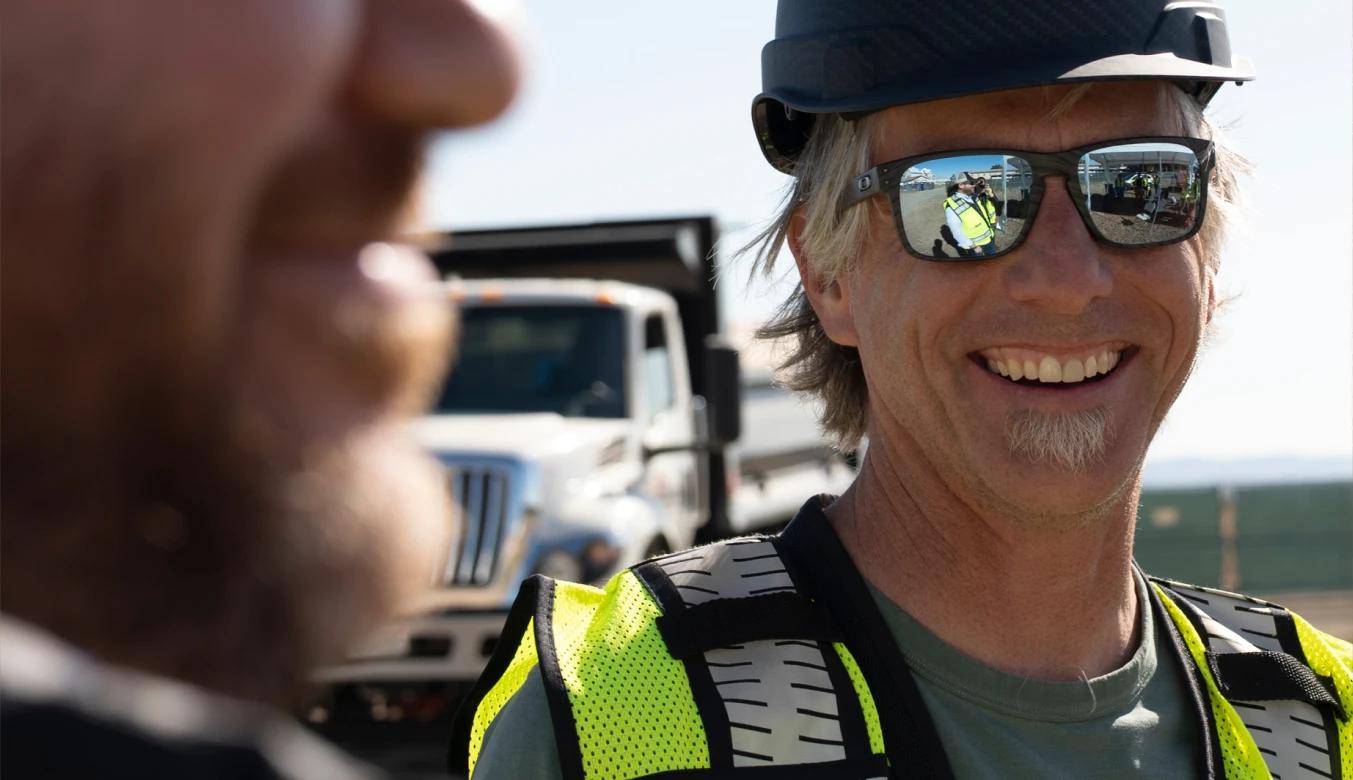
Dan Green, a project manager at Sundt Construction, put it well: "The biggest challenge we face isn't just finding operators—it's keeping experienced ones engaged when we need them for months of repetitive earthmoving in remote locations. Our best operators aren't interested in the monotony of mass excavation work."
That's the pain our partners are helping us solve. They've given us access to active job sites, insight into real workflows, and honest feedback about where the gaps actually live. They're not waiting for a finished product—they're helping us build it, shaping our roadmap to focus on the problems that matter most to them.
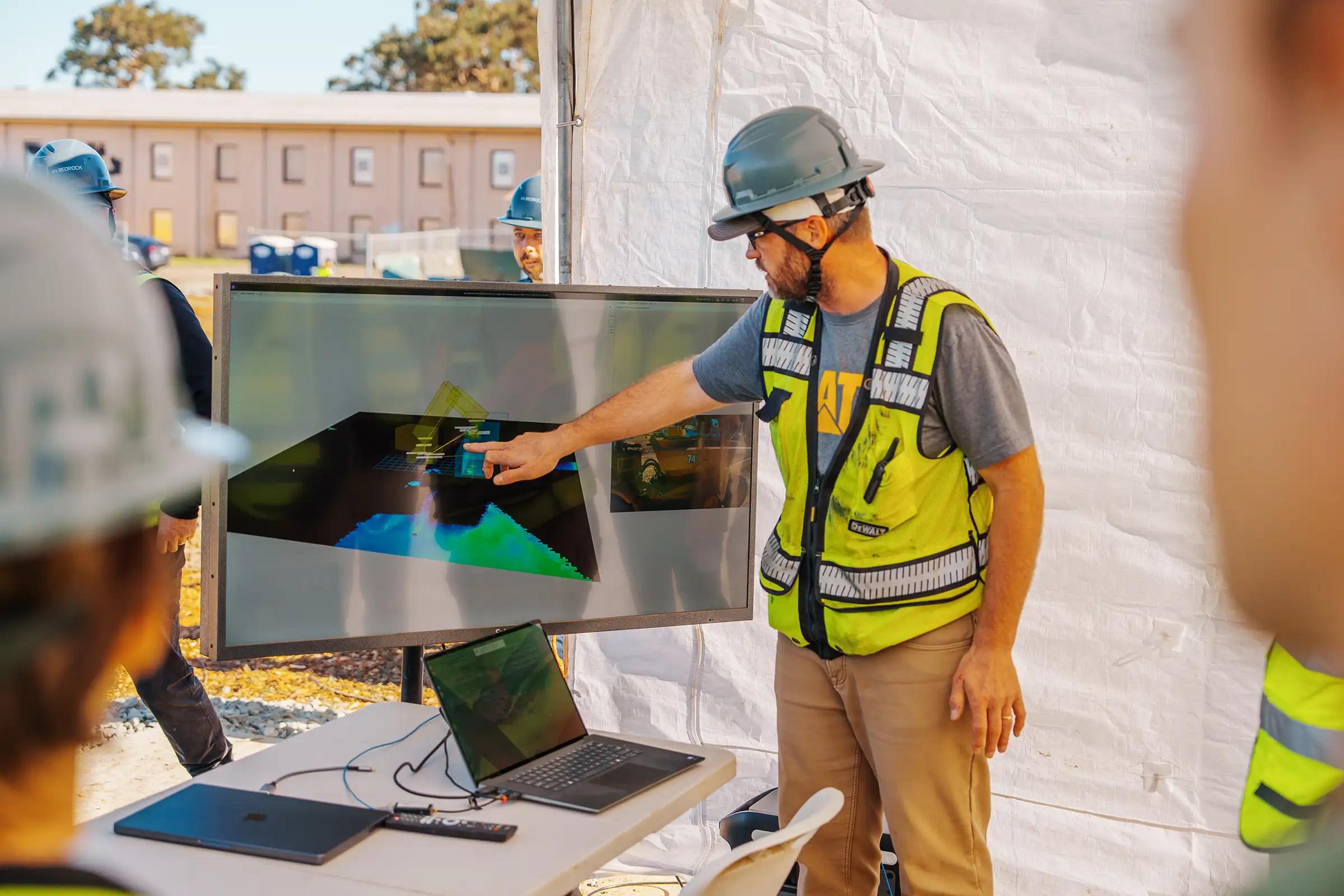
That collaboration is how we reached a critical milestone for Bedrock this past November: we completed a large supervised autonomy deployment for mass excavation, moving over 70,000 cubic yards on a 130-acre manufacturing site alongside Sundt. It's why our systems are now installed across excavators ranging from 20 to 80 tons. And it's why our partner network continues to expand—Sundt, Champion Site Prep, Zachry Construction, Austin Bridge & Road, Maverick Constructors, Haydon Companies, Capitol Aggregates, with more conversations underway.
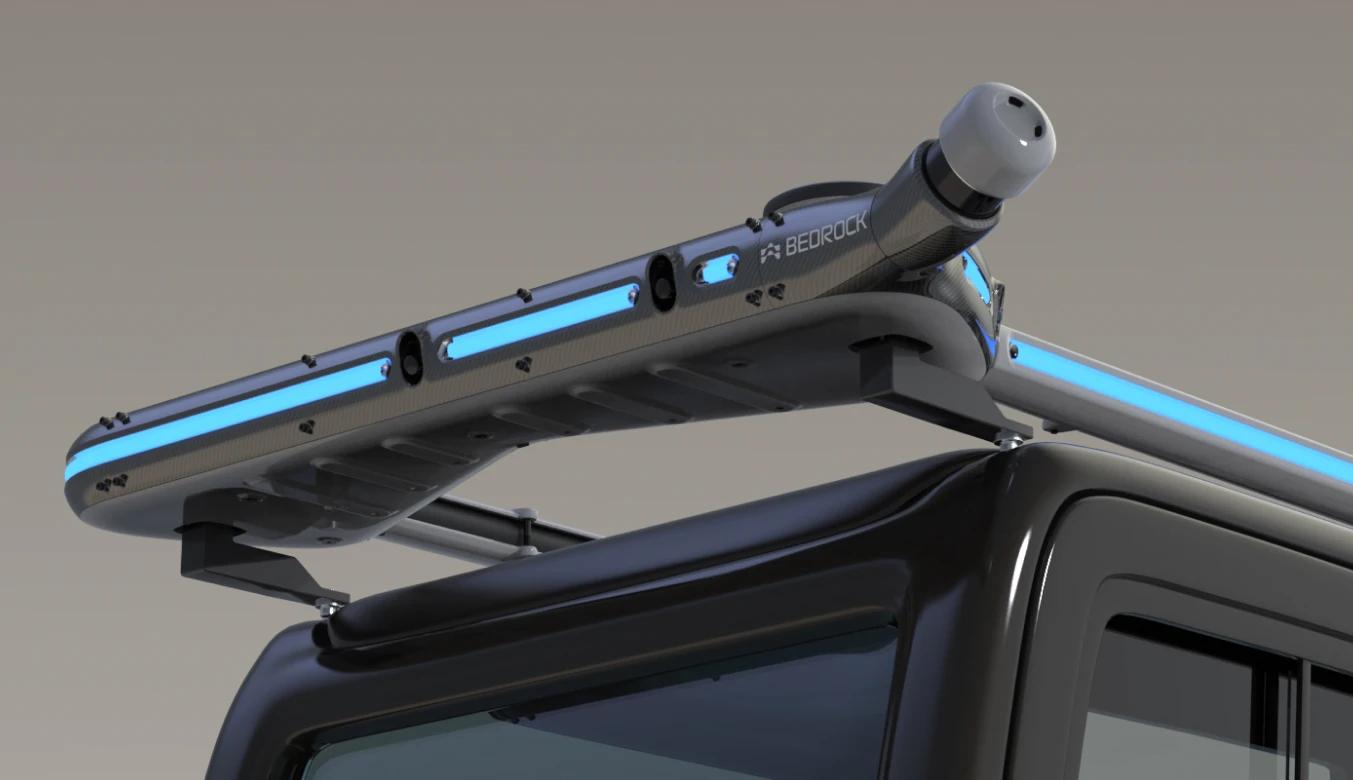
On a manufacturing campus in central Texas, Champion is currently using the Bedrock Operator to explore how autonomous systems could complement the crews they have today. Trey Taparauskas at Champion put it simply: "What Bedrock is building will multiply what our crews are capable of. It's not just about one autonomous machine; it's the potential to rethink how we coordinate our entire fleet, keep machines running longer, reduce idle time, and improve safety and work zone awareness; which then frees up our best people to supervise and strategize so we can take on even more.”
We're not developing this technology in isolation. We're building it with the people who will actually use it, and that makes all the difference.
What this funding means
Yesterday, we announced that Bedrock has raised over $270 million in Series B funding, co-led by CapitalG and Valor Atreides AI Fund with participation from Xora, 8VC, Eclipse, Emergence Capital, Perry Creek Capital, NVentures (NVIDIA’s venture capital arm), Tishman Speyer, Massachusetts Institute of Technology, Georgian, Incharge Capital, C4 Ventures, and others. Our total funding now exceeds $350 million, and we'll use it to accelerate toward our first fully operator-less excavator deployments with partners later this year, beginning a critical phase of commercial growth for Bedrock. In parallel we will begin to collect data and develop on our next two machines, a key step toward a future landscape of coordinated, autonomous machines on construction sites. Each step will build momentum toward enabling autonomy for new capabilities and machines, accelerating us toward this vision.
What's at stake
Human progress over the next few decades will be shaped, in no small part, by how much we're able to build. The factories that bring critical manufacturing back to domestic soil. The data centers that keep us competitive in AI. And just as importantly, the homes and schools and hospitals and roads that make everyday life better for the people who live here.
We shouldn't have to choose between these things. The goal isn't to win a zero-sum competition for scarce resources—it's to expand what's possible so that more of it gets built, period.
We're not there yet. The technology has to earn its place on every job site, one project at a time. But this year will bring an initial but powerful first step. And with partners building alongside us, and investors who share this vision, I'm confident we're headed somewhere meaningful.
Thank you to everyone who has backed this company—our investors, our partners, the crews who've shared their sites and expertise, and the team at Bedrock who are turning this vision into something real.
The opportunity in front of us is enormous. So is the responsibility.