
Building Fully Autonomous Fleets with the Crews Who Need Them
Construction shapes nearly everything this country builds.
Every highway, hospital, and housing development starts with the same first step: moving dirt. The people who do that work solve some of the hardest logistical and physical problems in the economy, every day, often in conditions no other industry has to contend with. We started Bedrock Robotics because we saw a chance to stand alongside them, bringing new technology to support work that's always demanded the best from the people doing it. We’re on a mission to make one of America’s most dangerous industries safer, and boost productivity so these crews can build everything America needs.
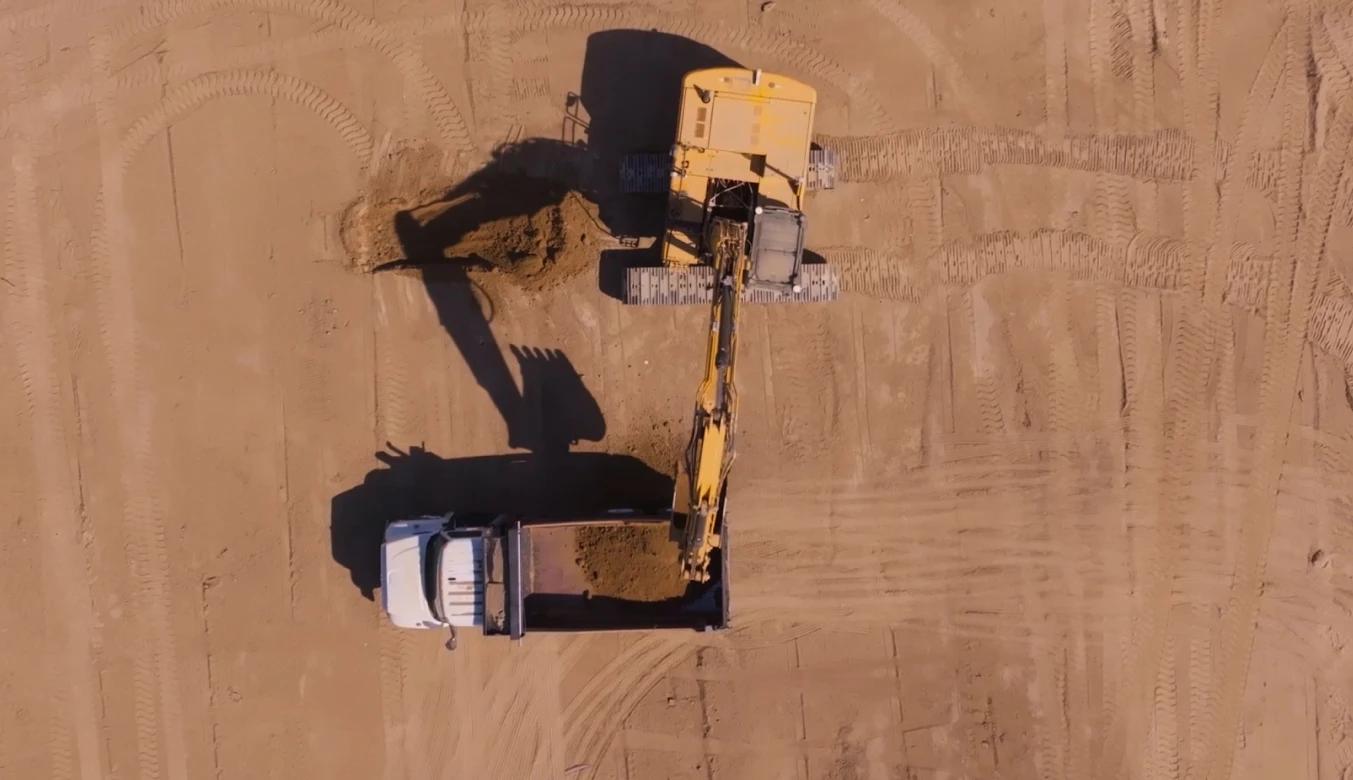
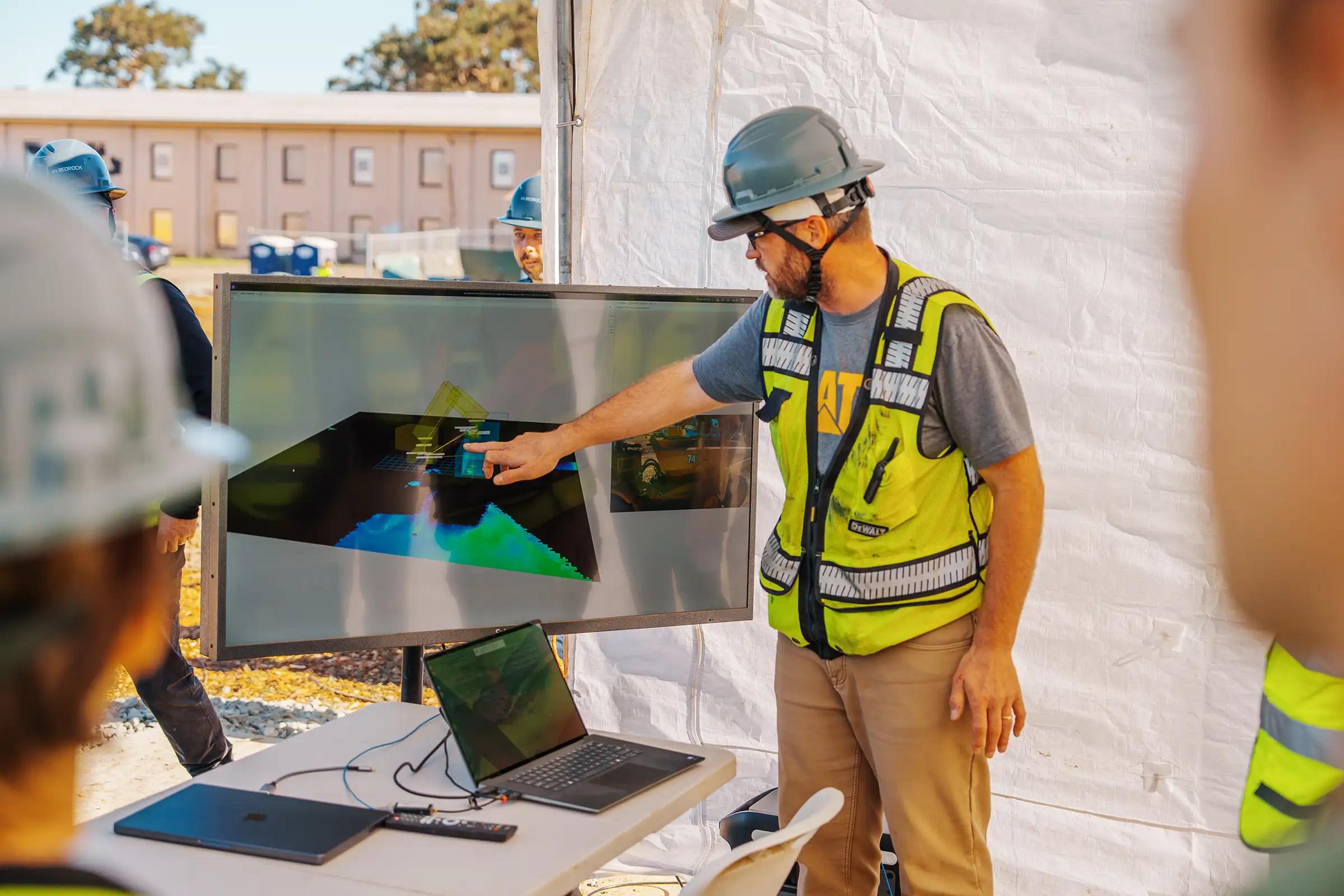
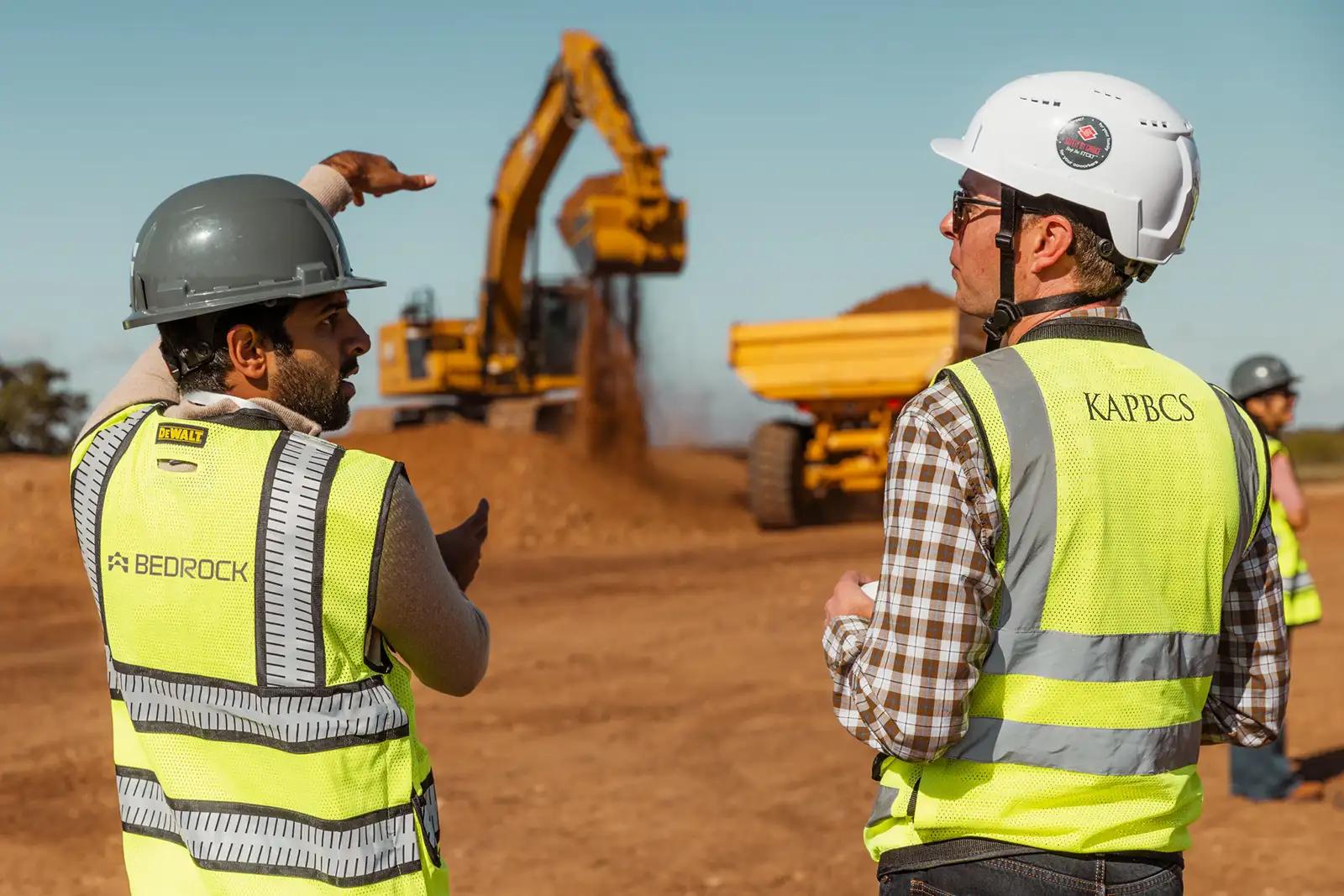
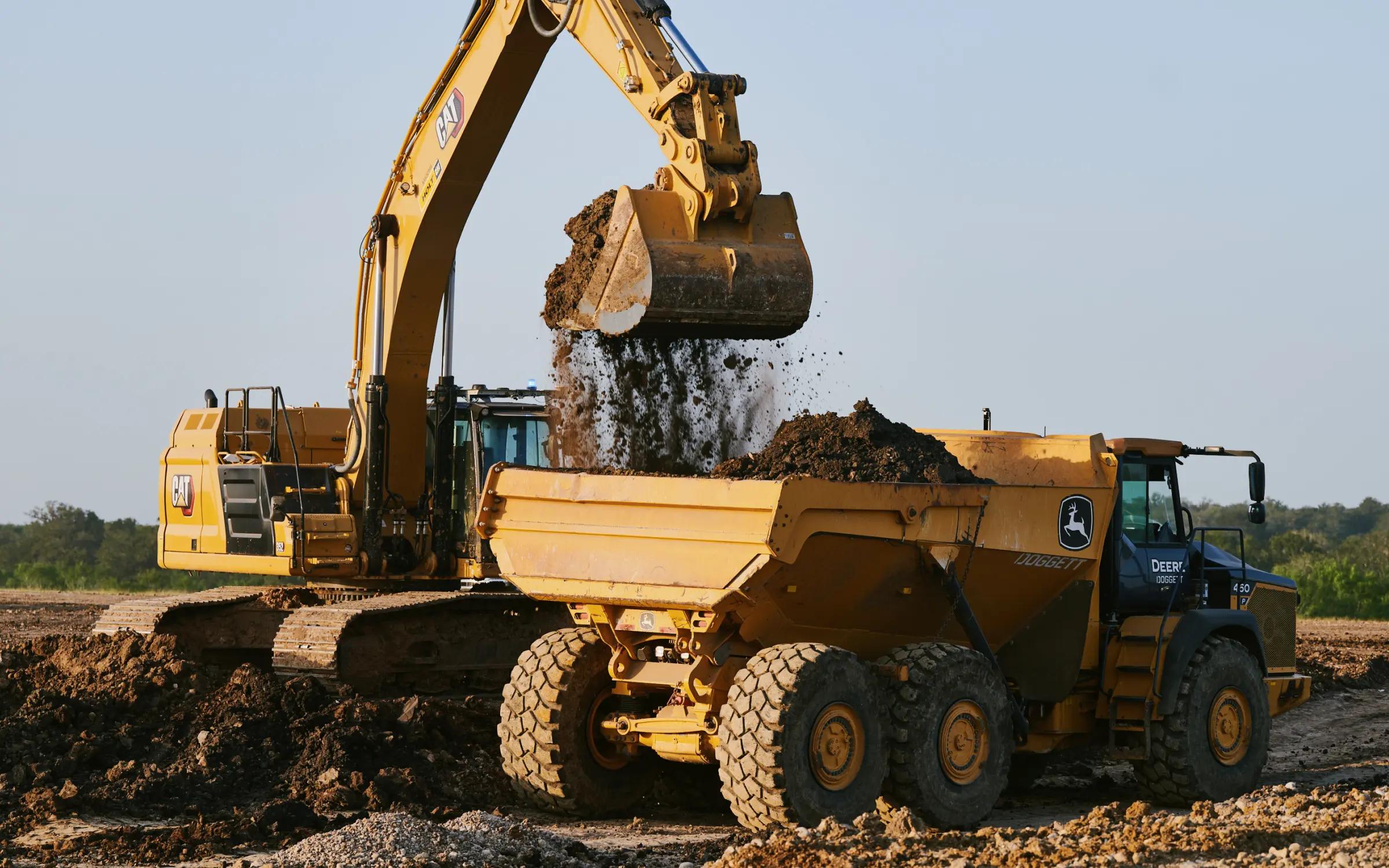
We're proud to share that, for the first time, our excavators are operating fully autonomously on active commercial job sites— understanding the terrain, the plan, and the work in front of them. With this milestone, Bedrock has shown its autonomous system can work seamlessly alongside crews and other equipment on active sites, without disrupting how people already work today.
We didn't choose the excavator as our first point of automation by accident. We chose it because it's the most common machine on a job site, making up about a quarter of most fleets, and one of the most versatile. It's also one of the hardest to master, with more degrees of freedom than nearly any other piece of construction equipment. A system built for that complexity extends to other machines far more easily than the reverse. And it sets us up to get further faster, ultimately delivering self-orchestrating fleets to help crews cover more ground.
Getting here required advances in machine learning and robotics that didn't exist a few years ago. But technology alone wasn't enough. We’re here today because we spent two years building a safety system tested in the field under real conditions, and we've been privileged to work alongside partners who've helped shape how these machines operate. Every lesson we've learned from our partners has gone directly into how these machines behave.
Here's what we’ve heard from our earliest collaborators, contractors who believe these machines will make more possible for all of us.
Meeting demand
Right now, demand across this industry is outpacing capacity. "The speed and scale of what's coming into this region is unlike anything we've seen before," says Trey Taparauskas, president of Champion Site Prep. Contractors are forced to turn away jobs because they don't have enough people on hand to fill them. Twenty percent of construction workers are over 55, and more than 40% of the industry is expected to retire within five years. Autonomy is one way to amplify what the existing workforce can accomplish.
“The speed and scale of what's coming into this region is unlike anything we've seen before”
Trey Taparauskas, president of Champion Site Prep
"What Bedrock is building will multiply what our crews are capable of. It's not just about one autonomous machine," Taparauskas predicts. "It's the potential to rethink how we coordinate our entire fleet, keep machines running longer, reduce idle time, and improve safety and work zone awareness. That frees up our best people to supervise and strategize so we can take on even more."
As Rachael Ferrera, Manager of Investments and Ideation at Zachry Construction Corporation, puts it: "It's not just building technology for the sake of using technology. It's building something that's going to give us more capacity to bid and build more work."
“It's not just building technology for the sake of using technology. It's building something that's going to give us more capacity to bid and build more work.”
Rachael Ferrera, Manager of Investments and Ideation at Zachry Construction Corporation
Increasing predictability
Amplifying the workforce is only one part of the equation. The other is improving the predictability of the work itself — particularly for earthwork, the very first stage of construction.
Soil conditions, weather, and site-specific terrain can all vary significantly from job to job, and excavation delays multiply downstream in areas like concrete, steel, mechanical, and electrical work. That's why removing uncertainty from this phase carries so much weight: get it right, and you’re set up for success across the rest of the project.
“The real challenge is executing earthwork with precision: moving the right amount of material, at the right time and in the right way”
Ranjeet Gadhoke, Senior Vice President, Operational Controls and Intelligence of Zachry Construction Corporation
“The real challenge is executing earthwork with precision: moving the right amount of material, at the right time and in the right way,” says Ranjeet Gadhoke, Senior Vice President, Operational Controls and Intelligence of Zachry Construction Corporation. “That level of consistency is essential to making operations safer, more efficient and more predictable.” Bedrock’s autonomous excavators deliver that precision cycle after cycle, bringing greater predictability to one of construction’s most variable phases.
Taking the load off operators
As a result, what we often hear from partners is more than enthusiasm. It's relief.
“Our production demands often require us to operate around the clock, sometimes seven days a week,” says Scotty Gerbes, Vice President of Aggregates at Capitol Aggregates, a provider of essential construction materials. “This technology can reduce the most demanding operating hours, helping minimize fatigue while enabling our operators to work more efficiently and safely.”
“This technology can reduce the most demanding operating hours, helping minimize fatigue while enabling our operators to work more efficiently and safely.”
Scotty Gerbes, Vice President of Aggregates at Capitol Aggregates
Dan Green, project manager at Sundt, sees a second gain alongside the first: "The biggest challenge we face isn't just finding operators — it's keeping experienced ones engaged when we need them for months of repetitive earthmoving in remote locations. Our best operators aren't interested in the monotony of mass excavation work. With Bedrock's technology handling the repetitive truck loading that goes on day after day, our skilled workforce can focus on more specialized and creative problems where their expertise is critical to success."
“With Bedrock's technology handling the repetitive truck loading that goes on day after day, our skilled workforce can focus on more specialized and creative problems where their expertise is critical to success.”
Dan Green, project manager at Sundt
Making worksites safer
Another strong point of relief, for everybody in the chain, from operators to presidents of firms, is safety. Construction remains one of the most dangerous professions in the country, with about one in five U.S. workplace deaths happening in the industry. That’s why safety is the first thing partners often ask us about. "Safety is at the heart of all we do, and technology has the potential to further enhance the safe performance of work at our job sites," says Bill Heathcott, Executive Vice President at Austin Bridge & Road. "Our partnership with Bedrock Robotics has opened the door to autonomous equipment, a next-level advance in worker protection as well as increased efficiency and precision."
“Our partnership with Bedrock Robotics has opened the door to autonomous equipment, a next-level advance in worker protection as well as increased efficiency and precision.”
Bill Heathcott, Executive Vice President at Austin Bridge & Road
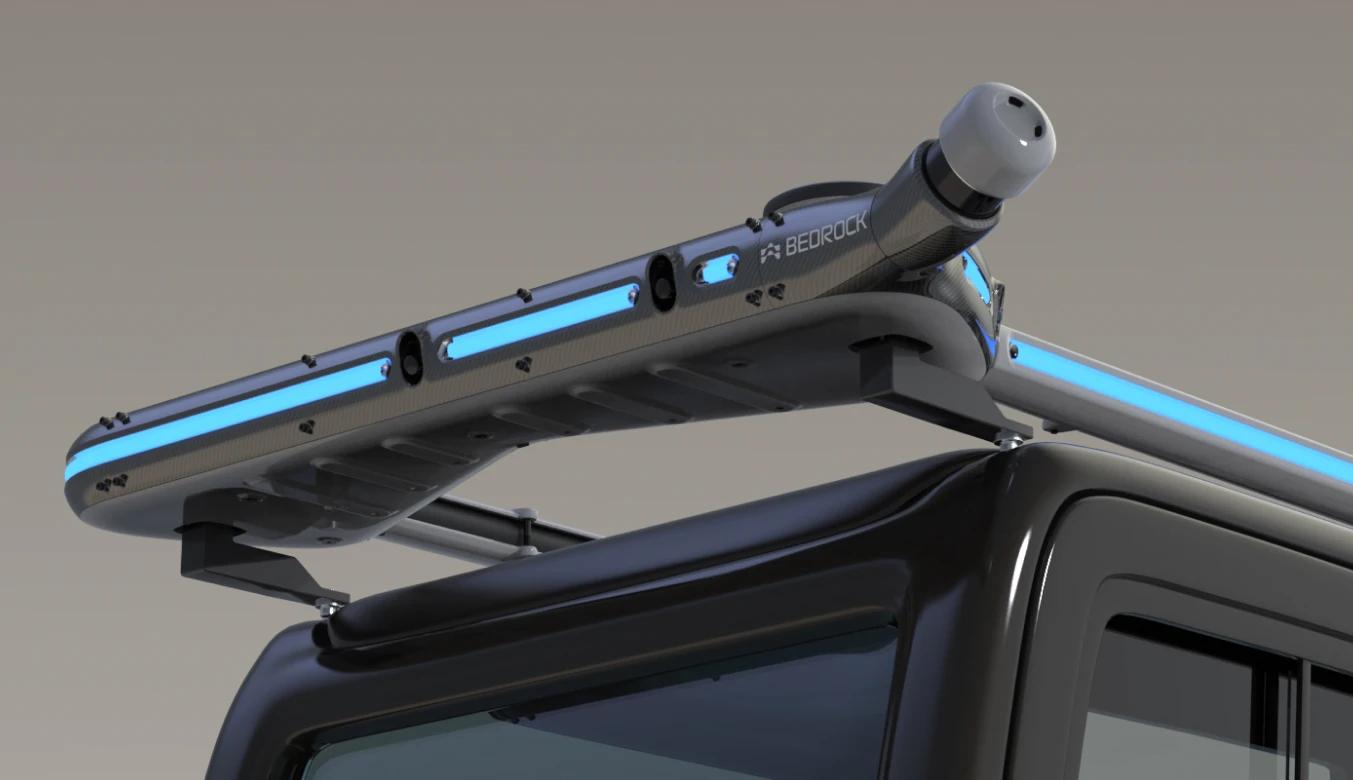
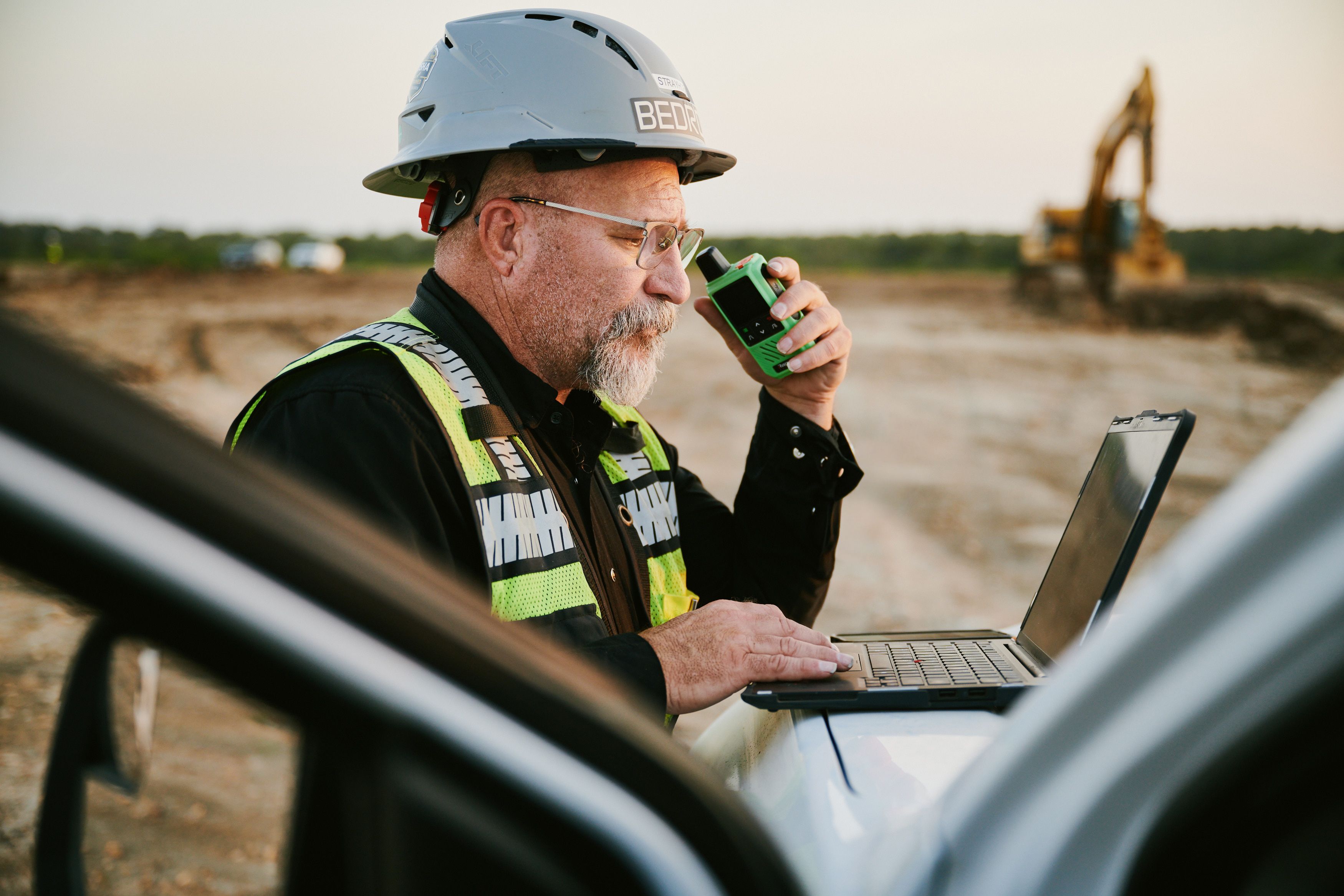
Our machines carry sensor coverage around their full perimeter, closing blind spots that challenge even experienced operators. We also went beyond normal testing conditions to make these machines as safe as possible, pushing the system through scenarios far beyond what it's likely to encounter on a live site. That way, when something unexpected happens on a real job, the machine knows exactly what to do.
Building for the future
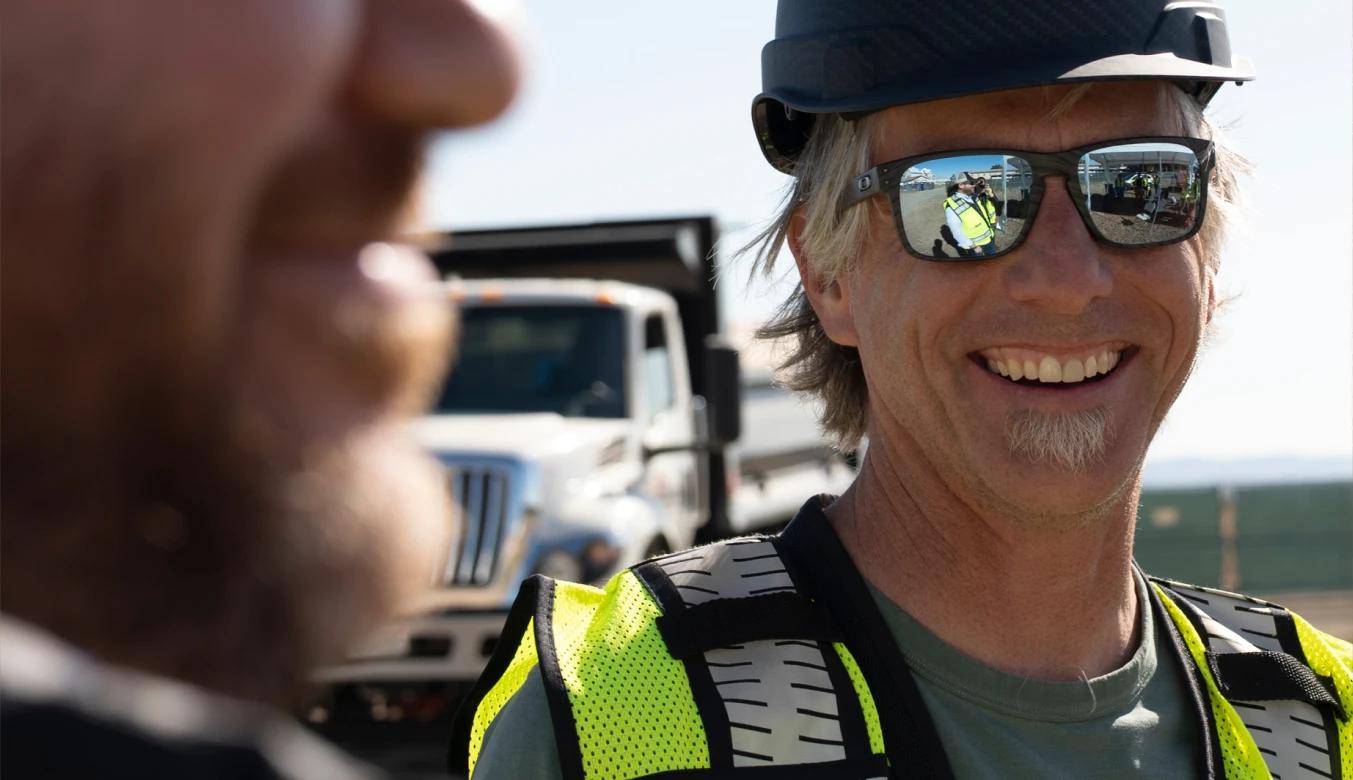
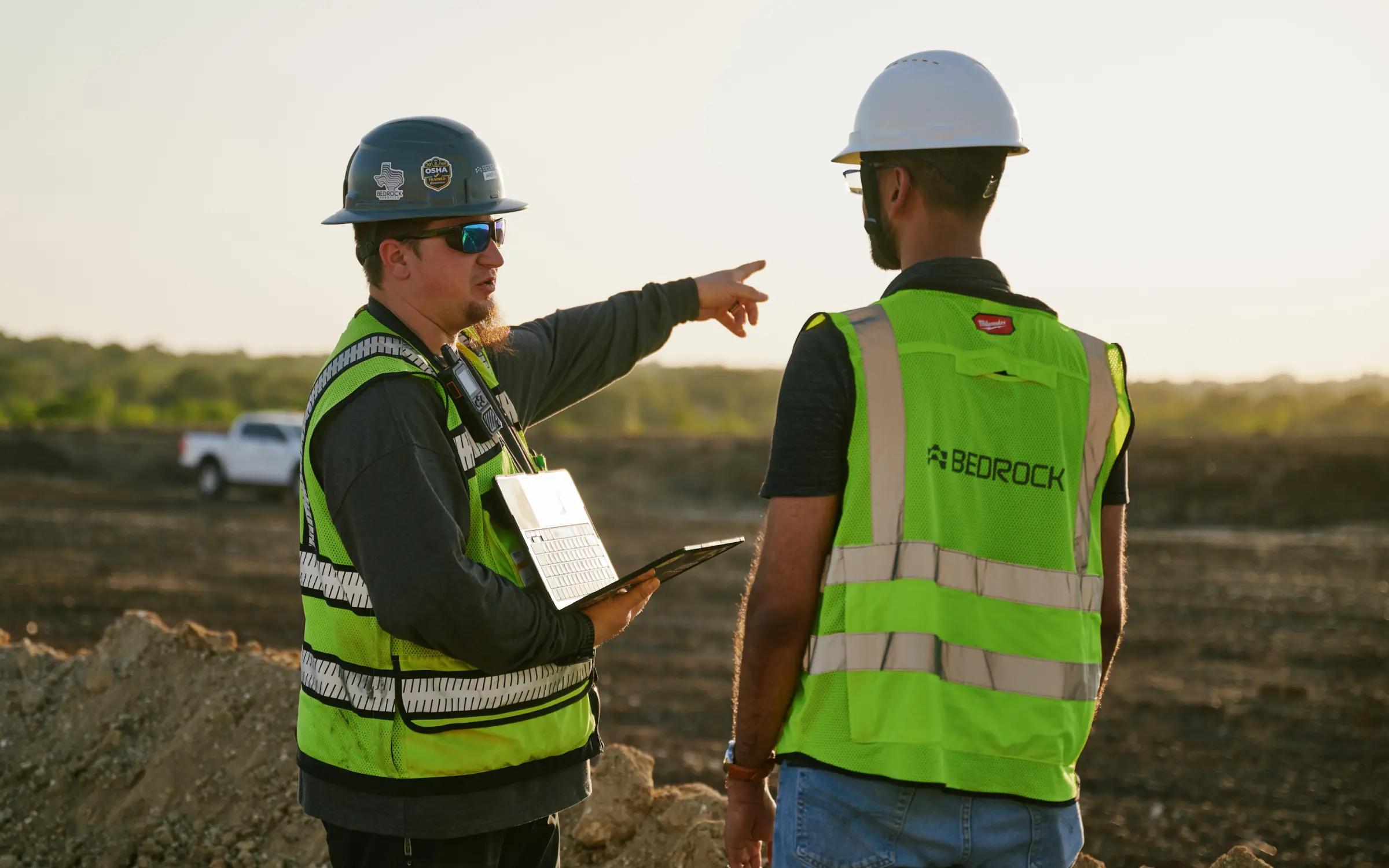
We show up to job sites with more questions than answers. We're not there to tell operators, foremen, superintendents, and project managers how to run their sites — we're there to learn from them, and to build trust over time, over BBQs and hours spent on-site together. We then get the joy of watching a small partner like Champion Site Prep grow two to three times over the past year, and we want more of our partners to have stories like that.
We know that construction is the foundation of everything else this country needs to build. None of it happens without the people already doing this work, every day, often without enough hands or enough hours to keep up with the demand in front of them. Starting with the hardest machine on the site means each one that follows gets easier to bring online, and every new deployment makes the whole fleet smarter. Over the next few years, that means more of the job site running autonomously, giving contractors and their crews safer, smarter machinery to meet the demand in front of them.
The excavator is where this starts, but it’s just the first step.
The future is bright, and we're incredibly grateful for the partners we have beside us on this journey. Let’s keep building and moving dirt together!